A good lip enhancement looks like you, only more rested and balanced. A bad one walks into the room before you do. After more than a decade in aesthetic medicine, I can tell you the difference rarely comes down to a single syringe of hyaluronic acid lip filler. It’s the provider, the setting, and the judgment behind every decision. If you’re evaluating lip fillers for the first time or you’ve had mixed results before, knowing when to walk away can save you money, downtime, and avoidable risk.
This isn’t about fear. It’s about reading the signals that separate safe, thoughtful practice from shortcuts. Lip filler injections sit millimeters away from arteries, nerves, and delicate tissue. The lips swell, bruise, and change shape with hydration and movement. Technique, product choice, and aftercare all matter. Let’s map the red flags that should stop you from booking, or at least trigger better questions at your lip filler consultation.
Credentials matter more than clever marketing
I still see “lip filler near me” pages with glowing reviews and no clear statement of who is injecting. Titles can be confusing, and regulations vary by location, but you deserve clarity. The minimum you should expect is a licensed medical professional trained in injectables, practicing within their scope, with direct medical oversight if required by law. A “certified injector” badge on Instagram doesn’t replace formal training and hands-on experience.
Ask who will perform your lip augmentation, how many lip filler sessions they complete in an average week, and what formal education supports their practice. Good providers answer without defensiveness and can name their mentors or training programs. Pay attention to answers that drift into vague claims or deflect. When someone says “we all do it the same way,” they’re telling you they don’t value technique.
In my practice, we keep a log of every aesthetic lip filler appointment: product, lot number, technique notes, and outcomes. Documentation builds accountability and helps if you ever need to troubleshoot. If a clinic can’t tell you what they injected last time, or the exact product name and concentration of your hyaluronic acid lip filler, you’re not in careful hands.
The setting tells a story
I’ve seen skilled injectors work in modest rooms. I’ve also seen luxe clinics that cut corners behind the velvet curtain. Cleanliness, lighting, and organization predict how the procedure will go. Medical lip filler is a sterile procedure at the point of injection. Surfaces should be cleanable, instruments packaged or disposable, and there should be hand hygiene, gloves, and sharps disposal. If you’re offered a lap tray over a carpeted salon floor, keep your wallet in your bag.
Emergency readiness is not optional. Any lip filler clinic that lacks hyaluronidase on site should not be injecting hyaluronic acid. Full stop. Hyaluronidase is the enzyme that dissolves HA fillers and can reverse vascular compromise. Providers should keep it within reach, know dosing, and have a plan to manage complications, including referral pathways for urgent imaging or ophthalmology if needed. Ask to see the hyaluronidase. If that feels awkward, consider how awkward it would be to need it and not have it.
Free consults are fine, fast consults are not
A thorough lip filler consultation takes time. Expect a conversation about your goals, your medical history, and your anatomy. You should talk about any history of cold sores, allergies, bleeding disorders, prior dermal lip fillers, or dental work scheduled soon. A considered plan might include skin health, hydration, and whether you’re a better candidate for subtle lip filler or a staged approach over two visits.
If the consult focuses more on lip filler price than on the lip filler procedure, that’s a red flag. I like to show a mirror and point out how the philtral columns, vermilion border, and tubercles shape the mouth. Some lips benefit from hydrating lip filler to smooth fine lines without much volume. Others need lip contouring filler to correct asymmetry or support the corners. When a provider proposes the same amount and technique for every face, you’ll get cookie-cutter results.
Too much, too fast
Overfilling happens for many reasons: provider inexperience, patient pressure, or a clinic culture that equates “more” with better. The lip is a dynamic, vascular structure that doesn’t tolerate massive volume in one session. Most natural lip filler plans start at 0.5 to 1.0 mL, with reassessment after swelling settles. Adding product too soon can push filler into unintended planes or compress vessels.
I see new patients with ballooned lips that looked “great” for two days at peak lip filler swelling, only to settle into stiff, heavy shapes. That’s avoidable. If your injector suggests 2 or 3 mL on a small frame in a single visit, ask why. You might hear “it will look subtle because you metabolize fast.” That’s not how physiology works. Lip filler longevity varies, but HA products generally last 6 to 12 months in the lips. Touch ups make sense, but only after tissue has settled.
Vague product descriptions and mystery syringes
You deserve to know exactly what’s going into your face. Brands and product lines differ in firmness, cohesivity, and water affinity. A smooth, hydrating lip filler is not the same as a firmer lip shaping filler designed for structure. Providers should explain why they chose a particular HA filler, how it behaves, and what that means for your lips. If you’re told “we use the best lip filler,” and that’s the end of it, push for specifics.
I once saw a woman bring in a photo of her previous syringe wrapper because her old clinic threw it away before she could note the details. That’s a warning sign. Lot numbers, expiry dates, and unopened packaging should be visible. If someone draws from a shared vial or pre‑loads syringes outside your view, walk away. Authentic packaging and chain of custody protect you from counterfeit products, which do circulate in the market.
Pain promises that don’t add up
“Painless lip filler” is a stretch. Comfortable lip injections are realistic. Good technique uses topical anesthetic, lip blocks when indicated, and gentle handling. The right product often includes lidocaine, which helps as the procedure progresses. If a clinic brags about speed instead of comfort, or skips numbing to “get you out quickly,” expect a rough ride and a higher risk of bruising.
There’s also a difference between managing discomfort and masking complication pain. Vascular occlusion pain is distinct, disproportionate, and often paired with blanching or dusky color. An experienced provider knows the difference and reacts fast. Excessive numbing or distractors can hide early signs. I prefer patients to feel enough to help me monitor. If someone tells you they numb so profoundly you won’t feel a thing, ask how they monitor for occlusion.
The sales script vs. your anatomy
The lips sit in the middle of your face, but they don’t exist in isolation. A careful injector evaluates the nose base, chin projection, and dental bite. If your lips turn in at rest because your chin is retruded, you might chase volume to get the look you want and still come up short. Good injectors discuss these interactions and offer a plan that might include tiny adjustments elsewhere or managing expectations.
Rushing you into a lip filler appointment without discussing proportion is a red flag. The rule of thirds and the golden ratio are references, not laws. Age, ethnicity, and personal style guide choices. Russian lip filler techniques, for example, aim for vertical height with a flatter profile. That can be striking in photos and less practical in real life if you already have thin mucosa or significant perioral movement. Classic lip filler techniques tend to favor soft contour and balance. A provider should articulate why a specific lip filler technique fits your lip and your goals, not just what’s trending on TikTok.
Before and after photos that don’t convince
A good gallery shows variety: thin lips turned softly fuller, asymmetry improved, a smoker’s line softened without losing texture. Beware of heavy filters, overexposed images, and angles that hide the Cupid’s bow. Look for consistency in lighting and head position, and for close‑ups that reveal skin texture. If every lip looks identical or massively overfilled, that tells you more about the clinic’s aesthetic than their skill.
Ask for healed results. Fresh post‑injection photos flatter because swelling boosts volume and the skin looks dewy. Real lip filler results appear at two to four weeks. I keep a folder of “4 weeks later” shots for realistic reference. If a provider won’t show anything beyond day‑one content, they may be selling the high of immediate plump without accountability for the final look.
Non‑medical settings and pop‑ups
I’ve been called to fix complications from injectables performed at house parties, nail salons, and hotel conference rooms. The common thread is convenience and price. The risk is high. Even temporary lip filler can cause vascular compromise, ulceration, or, in rare cases, blindness if filler travels retrograde into the ophthalmic circulation. That requires immediate, skilled management and access to medication most pop‑ups don’t carry.
If the setting can’t maintain hygiene, store biologics appropriately, and respond to emergencies, it’s not appropriate for lip augmentation. A discounted lip volumizing treatment loses its appeal fast when you factor in the cost of correction.
Overpromising on longevity
Long lasting lip filler is relative. Hyaluronic acid formulations can persist longer in some tissues, but the lip moves constantly, and people metabolize products at different rates. If your provider guarantees that your results will last a specific number of months, be skeptical. A reasonable range is 6 to 12 months for many HA lip fillers, sometimes shorter for very soft gels or fast metabolizers, occasionally longer in low‑movement zones like the vermilion border.
Why does this matter? Overpromising sets you up for disappointment and pushes you toward larger volumes to “make it last,” which often compromises shape. Better to plan maintenance: small lip filler touch ups once or twice a year to keep the shape tidy, and to switch products if migration or puffiness becomes an issue.
Dismissing risks or aftercare
No medical procedure is risk‑free. Bruising, swelling, tenderness, and small lumps are common in the first days. More serious risks include vascular occlusion, infection, cold sore reactivation, and delayed inflammatory reactions. A responsible provider reviews lip filler safety and lip filler aftercare, provides written instructions, and tells you what to watch for in the first 24 to 72 hours. You should leave with emergency contact details, not a generic front desk email.
I include an occlusion alert card in the aftercare kit. It lists signs like disproportionate pain, color change, and livedo patterning, plus the direct number to reach me. If a provider waves off your questions about lip filler risks or downplays your concerns with “we’ve never had a problem,” that’s not reassurance, it’s denial. No practice with a robust volume can claim zero adverse events. What matters is how they handle them.
Migration minimizers, not myths
Lip filler migration happens. It’s not always a sign of bad practice, but certain choices increase the risk: overfilling, repeated touch ups too soon, and using highly mobile, water‑loving gels in the border. Your provider should be frank about this and show strategies to minimize it: conservative volumes, choosing appropriate gels for the plane of injection, and spacing treatments.
I see patients who were told their “pillow lip” swelling would settle, only to develop a mustache‑like bulge months later. Dissolving can fix it, but it’s not fun. Prevention is better. When a clinic dismisses migration as a “social media myth,” that’s your cue to look elsewhere.
Price clarity without pressure
Lip filler cost varies by region, product, and expertise. Beware of bait pricing that shows an unbelievably low lip filler price per syringe, then adds fees for numbing, follow ups, or “premium” products after you arrive. Transparent clinics publish ranges and lip filler MI explain what’s included. They also offer options, like half syringes for subtle changes when appropriate, and staged plans for affordability without pushing you into more than you need.
A quick note on “affordable lip filler.” A fair price reflects the injector’s training, the product’s quality, and the time spent on safety. Cheap doesn’t always mean careless, but rock‑bottom pricing should make you ask how they’re covering product cost, sterile supplies, and emergency medications. If the math doesn’t make sense, neither does the risk.
Technique talk that passes the sniff test
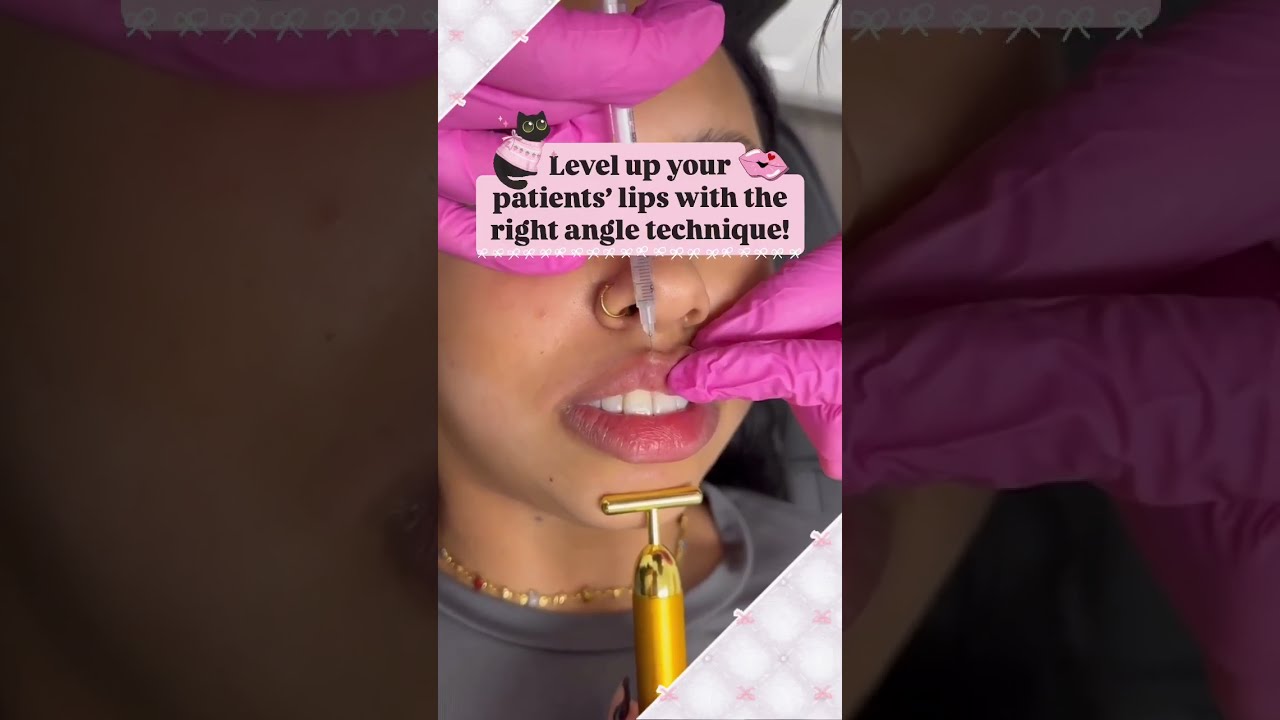
The lip is not a single compartment. Depth matters. Landing filler superficially to draw a crisp border differs from deeper placement to support volume. Cannula vs needle isn’t a moral choice, it’s a tool selection. I use both. Cannulas can reduce bruising and help avoid vessels in certain planes. Needles allow precise placement in tight spaces like the Cupid’s bow. Beware of providers who use one tool for everything because that’s what they’re comfortable with, not what’s best for your anatomy.
Also listen for how they approach sculpting. Lips should move naturally. If your provider talks only about the front view and not the profile or the way your upper lip tucks with speech, you may end up with a shelf or stiff smile. My test is the straw and the laugh. If you can drink from a straw comfortably and laugh without tension at two weeks, we’ve respected function while enhancing form.
When medical history gets ignored
A few specifics matter enough to pause a lip filler session. If you have an active cold sore or a history of frequent outbreaks, plan antiviral prophylaxis. If you’re pregnant or breastfeeding, delay. If you’ve recently had dental work or are scheduled for it soon, timing around procedures reduces infection risk. Autoimmune issues and previous filler reactions warrant a cautious approach, sometimes with patch testing of hyaluronidase if dissolving is anticipated.
Red flag: a provider who proceeds without adjusting for these factors or brushes them off as outdated worries. Thoughtful clinicians will sometimes advise not to treat today. That restraint is worth more than a same‑day selfie.

Social proof that goes beyond stars
Reviews matter, but the content of reviews matters more than the number. Look for detailed feedback about the lip filler process, the consultation, and the follow up. “In and out in ten minutes, no bruising” might sound great until you realize speed replaced thoroughness. The best reviews mention how the results look a month later, and how the clinic handled small issues like a stubborn lump or a tweak.
When possible, speak to friends whose lips you admire and ask about their experience. Pay special attention to first time lip filler stories. Beginners need extra coaching on what the first 48 hours will feel like, from the pressure of swelling to the mild anxiety of seeing your lips change. Providers who shepherd first timers gracefully usually maintain strong long term results.
The two times I tell patients not to treat
There are two scenarios where I recommend delay even if the patient is eager. First, if we’re chasing a social media trend that doesn’t suit their tissue. For example, heavy Russian lip filler height on someone with severely dry, thin mucosa will crack and feel tight. We start with hydrating lip filler to improve texture and wait four weeks. Second, if overall facial balance calls for subtle chin support or dental alignment before lip work. A 0.5 mL chin tweak can make a 1 mL lip look elegant instead of protrusive. Patients appreciate when you sequence treatments for harmony, not quick likes.
A simple pre‑visit filter
Use these quick checks before you book. They won’t guarantee perfection, but they’ll reduce the odds of a misstep.
- The clinic can name the specific hyaluronic acid lip filler brands they stock and explain why. You can see unfiltered, healed lip filler before and after photos with similar anatomy to yours. The injector describes a plan tailored to your lip shape, not a one‑size technique. They keep hyaluronidase on site and can articulate their emergency protocol. Pricing is transparent, and you’re not pressured to use more than 1 mL on a first visit unless clearly justified.
What a good appointment feels like
From intake to checkout, you should feel informed, unhurried, and respected. Expect photos from multiple angles, detailed marking or at least palpation and planning, and a conversation about product rheology in plain language. Numbing is applied and given time to work. During the lip filler procedure, the injector narrates key steps, checks in on comfort, and pauses to reassess symmetry as the lips swell.
After placement, gentle molding happens only where needed. You receive realistic guidance on lip filler recovery: day one swelling, peak around 24 to 48 hours, and tapering by day five to seven. You’re told how to manage bruising, when to avoid exercise or heat, and how to spot red flag symptoms. A follow up is scheduled within two weeks to assess integration and address small refinements if needed.
This experience doesn’t require a luxury clinic. It requires professional standards and clinical judgment.
Special cases you might not hear about on Instagram
Filler for asymmetrical lips requires restraint. Correcting a high right peak or a low left corner often involves adding support where the lip lacks, not inflating the other side to match. Overbuilding symmetry by volume alone leads to a heavy look. Your injector should discuss dental and skeletal factors that may limit perfection, and set realistic expectations.
Lips that have been dissolved multiple times can react differently. Hyaluronidase can remodel tissue and temporarily reduce structure. In these cases, choosing a cohesive yet soft gel, injecting slowly, and accepting that the first session is a rebuild rather than a full cosmetic outcome gives better lip filler results.
Maturity changes the equation. For a patient in their 50s or 60s, the perioral area often benefits from micro‑aliquots around the mouth rather than a big push into the vermilion. The goal is smooth lip filler effects and lip enhancement without heaviness. The best lip filler in this context is the one that blends, not the one that shouts.
Alternatives and when less is more
Not every goal requires injectable lip filler. For slight dryness and fine lines, a series of light energy‑based treatments or topical actives like barrier‑supporting lip balms, humectants, and nightly occlusive layers can improve texture. Microneedling around the mouth helps some patients. For those who fear needles, topical plumping glosses give a temporary boost, though nothing in a tube replicates HA’s lift.
If you’re very needle‑averse, staged approaches with micro‑doses using the finest needles and ample numbing can ease you in. I’ve guided many first time lip filler patients this way, with 0.3 to 0.5 mL at a time, and a follow up in four to six weeks. The result looks natural and reduces the shock of seeing a new shape in the mirror.
How to compare “lip filler near me” options the smart way
Create a short list of clinics based on credentials and reputation. Call and ask who injects, which products they use, and whether they have hyaluronidase on site. Browse their healed galleries and look for patients whose faces resemble yours. Schedule one or two consultations to feel out the fit. Pay attention to whether you feel rushed, sold to, or listened to. If the first clinic ticks all the boxes, you don’t need to shop endlessly. If none do, keep looking rather than compromising.
A note on what to do if something feels off
If you’ve had lip injections and something doesn’t seem right, call your provider. Discoloration, intense pain, or mottling need immediate attention. If you can’t reach them, go to urgent care or an emergency department and show them your aftercare instructions, including the product used. Time matters in vascular events. For non‑urgent concerns like small lumps at two weeks, often gentle massage as directed or a tiny touch of hyaluronidase resolves it. Persistent migration may require a staged dissolve and refill after a rest period.
Good providers won’t shame you for coming in with worries. They’d rather see you and reassure you than miss a chance to intervene early.
The quiet confidence of good work
The best lip filler outcomes don’t announce themselves. Your lower face looks harmonious, your lipstick sits better, your smile reads as you. Getting there is a collaboration. Choose a lip filler specialist who respects anatomy and your goals, who explains trade‑offs, and who says no when no is the safest path. If, at any point, a clinic triggers the red flags above, trust your instincts and walk away.
You have one face. That reality puts every decision into perspective, from the size of the syringe to the pace of your plan. Safe, subtle, long‑lived lip enhancement is entirely achievable. It starts with choosing a lip filler provider who earns your trust before they ever pick up a needle.